TERMS: 1. transformation 2. nucleotides 3. nucleic acids 4. base-pairing 5. double-helix 6. DNA 7. RNA 8. mRNA 9. rRNA 10. tRNA 11. transcription 12. translation 13. genes 14. chromosomes 15. atoms of life 16. macromolecules
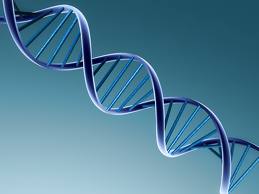 |
DEFINITIONS: 1. A strand of bacteria is changed by a gene from another strand of bacteria. 2. The part of a cell where nucleic acids are made. 3. Macromolecules that contain hydrogen, oxygen, nitrogen, carbon, and phosphorus. They store and transmit hereditary, or genetic information. 4. Bonds that can only be made between two specific nucleotides (A=T, G=C). 5. The form of DNA that makes a twisted spiral. 6. Makes up genes and can store, transmit, and copy the genetic information of a cell. Is a long chain of nucleic acid made up of nucleotides and joined by covalent bonds. 7. Like DNA, it is nucleic acid made of a long chain of nucleotides. It also directs protein synthesis. 8. (messenger RNA) RNA molecules that carry copies of the instructions for making amino acids into proteins. Carry information from DNA to other parts of the cell. 9. (ribosomal RNA) Several of these make up the two pieces in ribosomes which make proteins. 10. (transter DNA) Uses the coded messages in mRNA to transport each amino acid to the ribosome as it is said in the message. 11. The process of making RNA by taking pieces of DNA to form templates and produce RNA molecules. 12. The process where a mRNA message is decoded into a protein. 13. A persons characteristics that are created from the factors passed from a parent to their children. 14. Genetic information that is grouped into packages of DNA. 15. Main atoms in living organisms are hydrogen, nitrogen, oxygen, carbon 16. lipids-make up cell membranes, carbohydrates-provide energy, proteins- regulate cell processes and fight diseases, nucleic acids- store and transmit heredity information
|
